

Ginger is one of the world’s most widely used spices, valued for its distinctive flavor, medicinal properties, and versatility in cooking. From teas and baked goods to traditional remedies and international cuisines, ginger plays an important role in households and businesses worldwide. However, recent reports of a ginger shortage have raised concerns among consumers, retailers, and food manufacturers.
The shortage has led to higher prices, supply chain disruptions, and uncertainty in the global spice market. Understanding the reasons behind the ginger shortage can help consumers and businesses prepare for potential challenges and make informed purchasing decisions.
What Is Causing the Ginger Shortage?
Several factors have contributed to the current ginger shortage. While supply shortages can occur in many agricultural products, the situation with ginger has been influenced by a combination of environmental, economic, and logistical challenges.
Extreme Weather Conditions
One of the primary causes of the ginger shortage is adverse weather in major ginger-producing regions. Ginger requires specific growing conditions, including warm temperatures, adequate rainfall, and healthy soil.
Floods, droughts, storms, and other extreme weather events can significantly reduce crop yields. In recent years, changing climate patterns have disrupted agricultural production in several countries, leading to lower ginger harvests and reduced exports.
Plant Diseases and Crop Damage
Like many agricultural crops, ginger is vulnerable to diseases and pests. Soil-borne diseases, fungal infections, and bacterial issues can damage ginger plants and reduce productivity.
When large portions of a crop are affected, farmers may experience substantial losses, limiting the amount of ginger available for domestic and international markets.
Supply Chain Disruptions
Global supply chains continue to face challenges related to transportation costs, labor shortages, and shipping delays. These issues can make it difficult for producers to move ginger efficiently from farms to processing facilities, wholesalers, and retailers.
Even when sufficient ginger is produced, logistical problems can create temporary shortages in specific regions.
Which Countries Produce the Most Ginger?
Ginger production is concentrated in several countries that supply both local and international markets.
Major Ginger-Producing Nations
Key ginger-producing countries include:
- India
- China
- Nigeria
- Indonesia
- Thailand
- Nepal
These nations account for a significant share of global ginger production. Any disruptions in these regions can influence worldwide supply and pricing.
The Role of Exports
Many countries rely on imported ginger to meet consumer demand. As a result, export restrictions, reduced harvests, or transportation challenges in major producing nations can quickly affect availability in other markets.
This interconnected nature of global agriculture means that shortages in one region often have far-reaching consequences.
How the Ginger Shortage Affects Consumers
The ginger shortage impacts more than just grocery store shelves. Its effects can be felt throughout the food and beverage industry.
Rising Prices
Perhaps the most noticeable consequence of a ginger shortage is higher prices. Reduced supply combined with steady demand often causes market prices to increase.
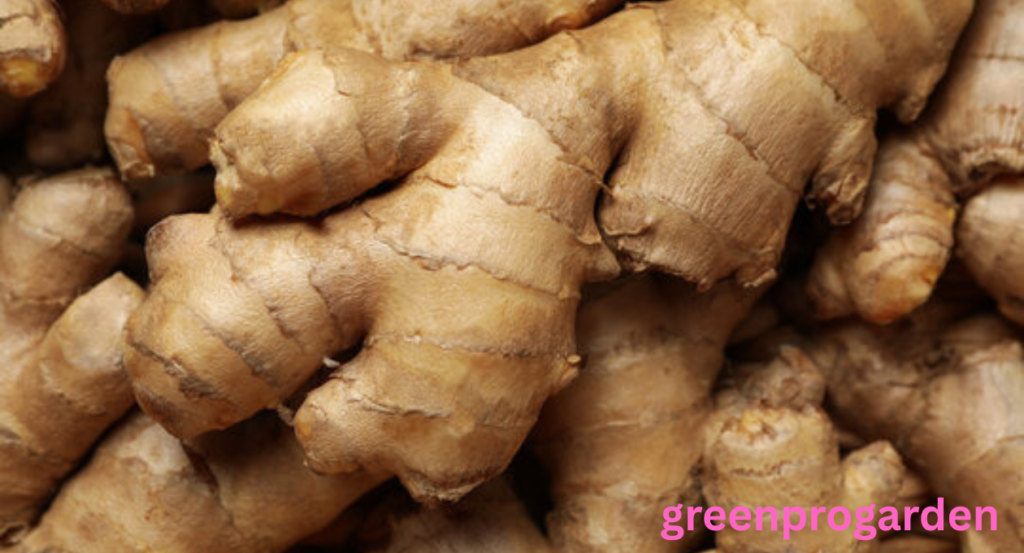
Consumers may notice higher costs for:
- Fresh ginger root
- Ground ginger
- Ginger tea
- Ginger supplements
- Ginger-flavored beverages
- Processed foods containing ginger
Price increases can vary by region depending on local supply conditions.
Limited Product Availability
Retailers may struggle to keep ginger products fully stocked during periods of limited supply. Some stores may temporarily limit purchases or experience delays in restocking popular items.
Food manufacturers that rely heavily on ginger may also face production challenges, potentially leading to fewer products available on store shelves.
Impact on Restaurants and Food Businesses
Restaurants, bakeries, beverage companies, and food manufacturers often use ginger as a key ingredient.
Higher Operating Costs
When ingredient prices rise, businesses face increased production costs. Restaurants and food producers may need to absorb these expenses or pass them on to consumers through higher menu prices and product costs.
Menu Adjustments
Some businesses may temporarily adjust recipes or reduce the use of ginger-based ingredients to manage costs and maintain profitability.
These adjustments can affect everything from specialty beverages to international dishes where ginger plays a central role.
Can Consumers Find Alternatives to Ginger?
Although ginger has a unique flavor profile, several alternatives can provide similar characteristics in certain recipes.
Common Ginger Substitutes
Possible substitutes include:
- Galangal
- Cardamom
- Cinnamon
- Nutmeg
- Allspice
- Turmeric
While none perfectly replicate ginger’s flavor, these spices can help maintain taste and aroma in various dishes.
Buying and Storing Ginger Wisely
Consumers can maximize available supplies by storing ginger properly. Fresh ginger can be refrigerated, frozen, or dried to extend its shelf life.
Purchasing only what is needed and avoiding unnecessary stockpiling can also help reduce pressure on local supplies.
Will the Ginger Shortage End Soon?
The duration of the shortage depends on several factors, including weather conditions, future harvests, and improvements in global supply chains.
Signs of Recovery
Potential indicators that the ginger market is stabilizing include:
- Improved harvest yields.
- Favorable growing conditions.
- Reduced transportation delays.
- Increased export volumes.
- Lower wholesale prices.
Agricultural markets often experience cycles, and supply conditions may improve as producers recover from recent challenges.
Long-Term Outlook
As climate change and global logistics continue to influence agriculture, occasional supply disruptions may remain a reality for many crops, including ginger. Farmers, suppliers, and governments are increasingly exploring strategies to improve resilience and maintain stable food supplies.
Conclusion
The ginger shortage highlights the complex factors that influence global food production and distribution. Weather events, crop diseases, transportation challenges, and growing demand have all contributed to reduced availability and rising prices. While consumers may face temporary inconveniences and higher costs, market conditions can improve as new harvests reach the supply chain and logistical challenges ease.
For now, staying informed, shopping responsibly, and considering alternative ingredients can help households and businesses navigate the effects of the ginger shortage. As the agricultural sector adapts to changing conditions, the long-term goal remains ensuring a reliable and sustainable supply of this valuable and widely used spice.
Faqs
1. Why is there a ginger shortage?
The ginger shortage is primarily caused by adverse weather conditions, crop diseases, supply chain disruptions, and increased global demand. These factors have reduced production and affected the availability of ginger in many markets.
2. Which countries are most affected by the ginger shortage?
Countries that rely heavily on ginger imports may experience greater impacts. However, the effects vary depending on local supply chains, import sources, and market demand.
3. Has the price of ginger increased?
Yes, ginger prices have risen in many regions due to limited supply and steady consumer demand. Higher transportation and production costs have also contributed to price increases.
4. How does the ginger shortage affect consumers?
Consumers may face higher prices, limited product availability, and occasional shortages of fresh ginger, ginger tea, supplements, and ginger-flavored food products.
5. What industries are impacted by the ginger shortage?
Several industries are affected, including food and beverage manufacturing, restaurants, bakeries, health supplement companies, and retailers that sell ginger-based products.
6. Are there alternatives to ginger in cooking?
Yes. Depending on the recipe, alternatives such as galangal, cardamom, cinnamon, nutmeg, turmeric, or allspice can provide similar flavor characteristics, although none are exact substitutes.